Sweat, Seltzer, and Small Talk: How to Actually Survive a Networking Event Without Losing Your Soul
Picture this: You're standing near the appetizer table at a startup mixer in some WeWork event space that smells like ambition and dry-erase markers. Someone materializes beside you, extends a hand, and before you can even register what's happening, says, "I'm disrupting the B2B logistics space with an AI-first approach to last-mile delivery optimization."
You nod. You smile. You silently consider whether the emergency exit is locked.
Welcome to networking. Population: everyone who'd rather be anywhere else, pretending they're exactly where they want to be.
The good news? It doesn't have to be this way. Networking is genuinely one of the most valuable things a founder can do — when it's done like a human being instead of a LinkedIn post that gained sentience. Let's fix it.
First, Acknowledge That It's Weird and Move On
The single biggest mistake founders make at networking events is pretending the whole situation isn't deeply, fundamentally strange. A room full of strangers, all performing their professional best selves, all hoping to extract value from each other while appearing not to — it's weird. It's always been weird. Every single person in that room knows it's weird.
Once you accept this, something shifts. You stop trying to be slick and start being a person. Turns out, people connect with people. Groundbreaking.
So the first move, genuinely, is to find someone who looks as mildly uncomfortable as you feel and say something true. Not your elevator pitch. Not your funding round. Something like: "These events always make me feel like I'm at a job fair for adults." Or: "I've been standing near this charcuterie board for eight minutes and I'm not mad about it."
Humor is a handshake. Use it.
Conversation Starters That Won't Make People Check Their Phones
Forget the standard opener. "So, what do you do?" is the networking equivalent of a firm handshake and a weather comment — technically functional, completely forgettable. Here are some alternatives that actually generate conversation:
-
"What's the most interesting thing that's happened in your industry in the last six months?" This invites opinion, signals curiosity, and immediately separates you from the eighty-seven people who led with their job title.
-
"Are you here because you actually wanted to be, or did someone drag you?" Risky, but the people who laugh are your people.
-
"What are you working on that you're actually excited about?" Note: actually excited is doing a lot of work in that sentence. It gives people permission to talk about something real instead of reciting their About page.
-
"Who's the most interesting person you've met tonight so far?" This works because it either gets you a warm introduction or reveals that you're the first interesting person they've met, which is a great place to start.
The goal is to be the conversation people remember on the drive home. Not because you were pitching, but because you were actually present.
The Art of the Graceful Escape
Every networking event has at least one of these: the person who has cornered you for eleven minutes and is still explaining their go-to-market strategy in granular detail while you slowly lose the will to live.
Exiting gracefully is a skill, and like most skills, it can be learned.
The Honest Redirect: "I want to make sure I connect with a few other people before the night's over — can we exchange info and continue this?" Clean, respectful, no excuses needed.
The Bathroom Gambit: Timeless. Eternal. Foolproof. "Excuse me, I'll be right back" — and then you are not right back. You are somewhere else, eating more of the charcuterie.
The Introduction Pivot: "You know who you should meet? Let me introduce you to [literally anyone]." You've now connected two people, freed yourself, and look like a connector. Triple win.
The Drink Refresh: Hold up your glass — whatever's in it — and say "I'm going to grab another one, great talking to you." Even if your glass is full. They won't notice. You'll be gone.
Reading the Room: VCs, Operators, and Everyone Else
Not all networking events are created equal, and the crowd shapes the strategy.
Investor-heavy events require a different energy. VCs at mixers are often in listening mode, but they're also being pitched constantly and have developed a sixth sense for desperation. The founders who land follow-up meetings are rarely the ones who corner someone with a deck on their phone. They're the ones who had a genuine conversation, mentioned their company naturally, and then let the VC be curious. If they're interested, they'll ask. Give them space to ask.
Founder-heavy events are honestly the most fun once you stop trying to extract something from everyone. These are your people. They know what the 3 AM Slack spiral feels like. Lean into the camaraderie. Share war stories. Be honest about what's hard. The connections that come out of "honestly, fundraising has been brutal" are more durable than anything that comes from a polished pitch.
Mixed-industry events are a wildcard but often the most valuable. Meeting someone completely outside your space is where unexpected partnerships and ideas come from. Talk to the person who isn't in tech. They might be your next enterprise customer and they definitely have better stories.
A Ranking of US Cities for Networking Events Worth Attending
Because location matters, and not all scenes are created equal:
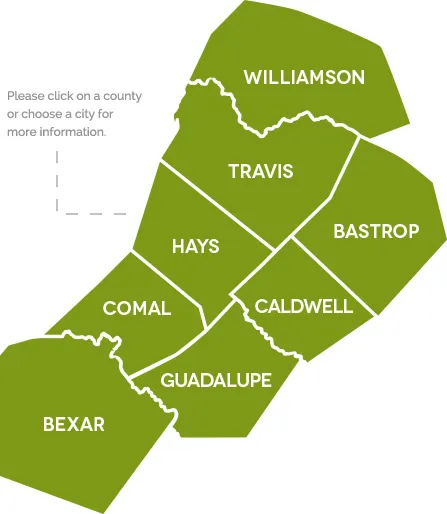
Austin, TX — The drinks are cold, the startup scene is booming post-exodus, and the vibe is casual enough that nobody's going to judge you for showing up in a t-shirt. South Congress events slap. SXSW is chaos, but productive chaos.
New York City — Every neighborhood has a different scene. Flatiron for fintech, Brooklyn for consumer and creative, Midtown if you enjoy suffering. The energy is high, the conversations are fast, and if you can make a connection in New York, you can make one anywhere.
San Francisco / Bay Area — Still the VC capital of the world, which means the networking is dense with opportunity and also occasionally insufferable. The signal-to-noise ratio is high if you know where to look. Skip the obvious tourist trap mixers and find the smaller, curated events.
Miami — Ascendant. The Brickell corridor is building a real startup ecosystem, the weather makes outdoor events actually enjoyable, and the energy has a Latin American international flair that brings in perspectives you won't get elsewhere.
Chicago — Underrated. Serious operator energy, less hype than the coasts, and the founders here are building real businesses with real revenue. Great for B2B and enterprise networking. Also: deep dish after, obviously.
The Follow-Up: Where Connections Go to Live or Die
You can have the best conversation of the night and completely waste it by never following up. The follow-up is the whole game.
Send a message within 24 hours — not a generic "great to meet you," but a reference to something specific from your conversation. "Loved what you said about the enterprise sales cycle — sending you that article I mentioned." Specific. Human. Memorable.
Don't pitch in the first follow-up. Just be a person who remembers the conversation. The relationship comes first. Everything else follows.
And if you really clicked with someone? Suggest coffee. In person. Like it's 2015 and we're all still doing that. Because the best business relationships still start across a table, not across a LinkedIn inbox.
Go Forth and Mingle (Without Losing Yourself)
Networking doesn't have to be a performance. The best connectors aren't the loudest people in the room — they're the most genuinely curious. They ask better questions. They listen like they mean it. They follow up like they care, because they do.
You're not there to collect business cards. You're there to find the two or three people who might matter to what you're building — and to maybe have a decent conversation over a spiked seltzer while you're at it.
That's not so bad. That's actually kind of fun.
Now go introduce yourself to whoever's standing awkwardly by the charcuterie. That's your person.